Neurologic Physical Therapy Residency
The University of Missouri Neurologic Physical Therapy Residency aims to create leaders and innovators in the field of neurologic physical therapy.
ABPTRFE Accredited Program
The University of Missouri Neurologic Physical Therapy Residency Program is accredited by the American Board of Physical Therapy Residency and Fellowship Education as a neurologic post-professional residency program for physical therapists.
What Sets Us Apart
What Sets Us Apart
- Live didactic content
- Acute care experience at a Level 1 Trauma Center
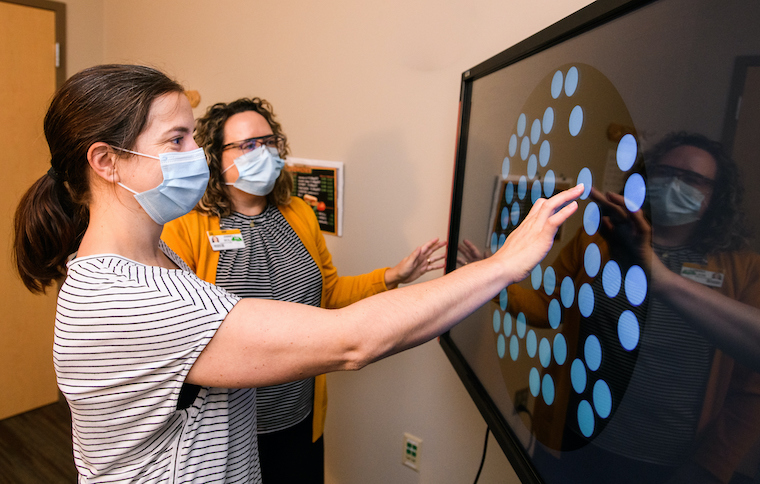
- Intentional coaching format for mentoring designed to create life-long learners
- Integrated learning experiences with PM&R Residents
- Mentorship in clinical teaching skills
To improve the lives of patients affected by neurologic disease by developing expert neurologic physical therapists via advanced teaching, research, and clinical experience, and offering a post-professional residency program maintained through ongoing continuous improvement.
- Intentional focus on treatment of neurological patients over the course of a year allowing for eligibility to sit for board certification
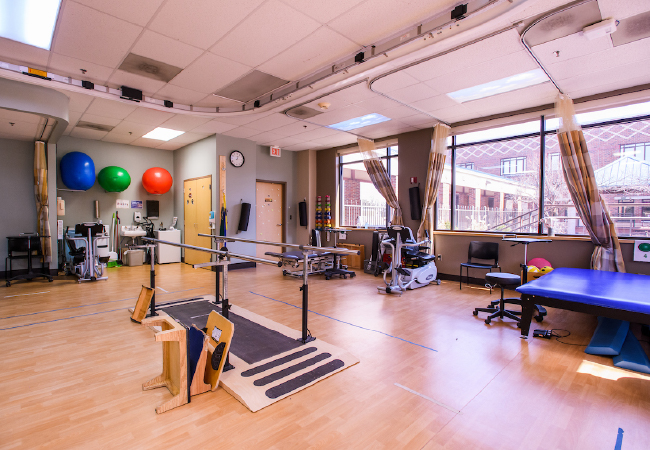
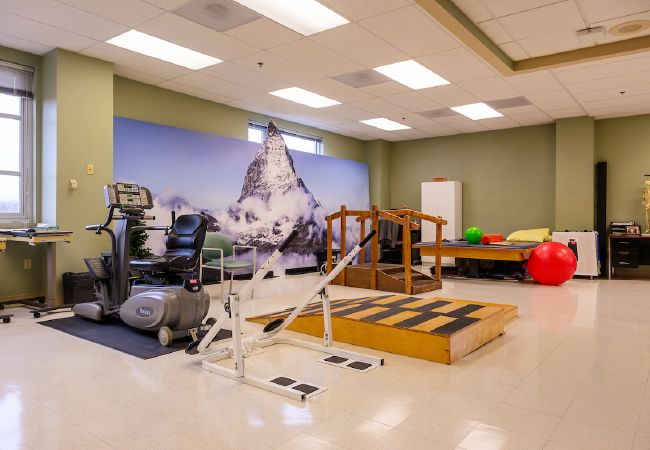
- Clinical experience in variety of settings
- Guided learning experiences
- Development of metacognitive skills (self-awareness, critical thinking, reflection) for life-long learning
- Teaching experience and mentorship in didactic education
- Skill development in clinical research
- Experience implementing knowledge translation projects
- Leadership skills
- Neuro Center at Mizzou Therapy Services-Business Loop
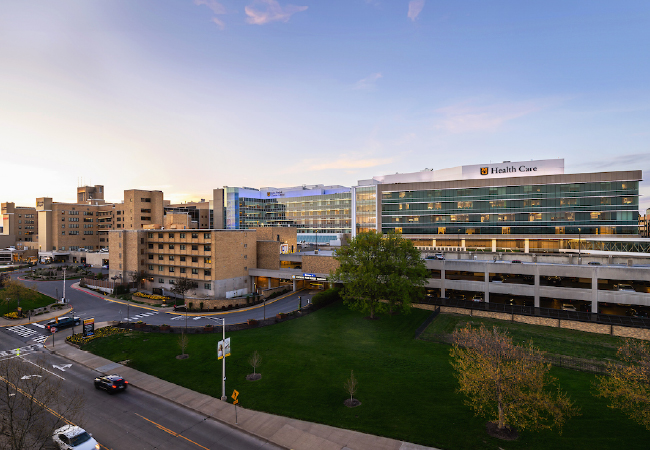
- University Hospital
- Rusk Rehabilitation Hospital, a joint venture of Encompass Health and MU Health Care
- Multi-disciplinary clinics
- Dizzy clinic
- ALS clinic
- Botox clinic
- Muscular dystrophy clinic
- Return stroke clinic
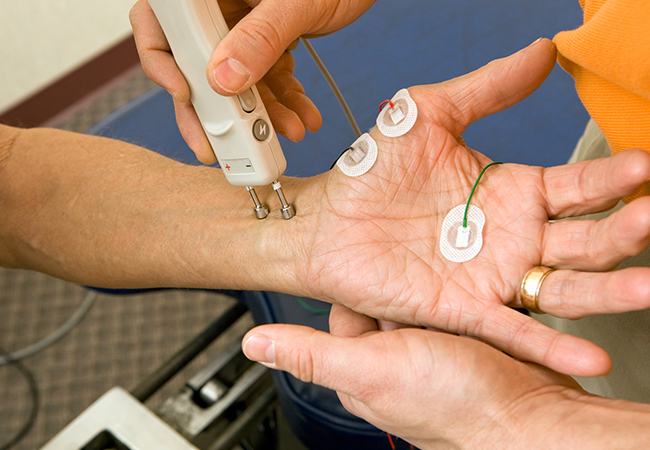
- EMG Clinic
- Shadowing Experiences
- Mizzou Therapy Services' Children's Therapy Center
- Physician Rounding- Inpatient Rehabilitation
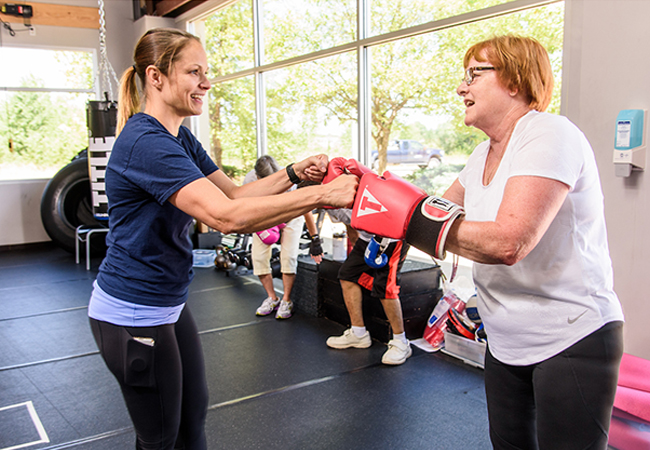
- Human Performance Program including Rock Steady Boxing
- Vestibular Function Testing with Audiology Department
- Week 1: Residency Orientation
- Week 2: Preparing for a Successful Residency Experience
- Week 3: Who Am I as a Learner?
- Week 4: Lab Values/Imaging & Neuro-Exam 101
- Week 5: Leadership & Conflict Management
- Week 6: Evidenced Based Practice Application & Expectations (Knowledge Translation)
- Week 7: Teaching and Learning Part I
- Week 8: Teaching and Learning Part II/ Motor Learning for Our Patients
- Week 9: Labor Day Independent Study
- Week 10: Professional Development Check in with Residency Leadership/ Statistics 101
- Week 11: Outcome Measures in Neurological Rehab
- Week 12: Clinical Reasoning and Expert Practice
- Week 13: Independent Study and Research Training
- Week 14: CVA Pathophysiology and Clinical Presentation
- Week 15: EBP in CVA (Early Mobilization)
- Week 16: Independent Study/ KT Project Planning
- Week 17: Secondary Impairments in CVA and Cognitive and Perceptual Deficit Considerations
- Week 18: TBI Pathophysiology & Clinical Presentation
- Week 19: Independent Study
- Week 20: Thanksgiving Independent Study
- Week EBP in TBI & Management of the Minimally Conscious Patient
- Week 22: Orthotic Decision Making
- Week 23: Demystifying Concussion
- Week 24: Functional Neurological Disorder
- Week 25: Midterm Examination
- Week 26: Independent Study
- Week 27: BG Disorders Pathophysiology
- Week 28: EBP in BG Dysfunction
- Week 29: MLK Independent Study
- Week 30: Peripheral Nerve Dysfunction (GBS/CIDP)
- Week 31: Vestibular Disorders Presentation and Evaluation
- Week 32: Independent Study
- Week 33 Independent Study
- Week 34: Vestibular Disorders EBP
- Week 35: SCI Pathophysiology and Clinical Presentation
- Week 36: EBP in SCI/ Secondary Impairment Prevention in SCI
- Week 37: Assistive/Advancing Technology in Neurological Rehab
- Week 38: Independent Study Spring Break
- Week 39: Multiple Sclerosis
- Week 40: Neurodegenerative Diseases
- Week 41: Health Condition Supplementation
- Week 42: Geriatric Considerations
- Week 43: Pediatrics Considerations Across the Lifespan
- Week 44: Neuropsychological Assessments (shadow)
- Week 45: Independent Study/ KT Project
- Week 46: Ortho Considerations for the Neurological Patient
- Week 47: Independent Study
- Week 48: Asynchronous Session Sleep Matters
- Week 49: Independent Study
- Week 50: Independent Study
- Week 51: Research Wrap-Up/KT Project Summary
- Week 52: Final Exam
- Week 53: Independent Study Graduation/Reflection
- Week 54: Final Week
- One on one mentoring in clinical research, case study design, and implementation science/knowledge translation projects
- Minimum of 10 hours of research experience
- Mentoring in Role as a Co-Clinical Instructor
- Educating Clinical Staff through the Clinical Excellence Program at the Neuro Center
- Present at PM&R Chairman Rounds
- Lead Resident Monthly Journal Club
- Twelve-month, two-week duration
- Thirty-two (32) direct patient care hours/week
- Eight (8) hours per week to work on residency coursework, research and teaching experiences
- Students will rotate between outpatient neuro, acute care and inpatient rehabilitation
- More than 200 hours of direct 1:1 clinical mentorship
- More than 100 hours of direct observation of clinical mentor evaluating and treating or 1:1 education
- More than 100 hours of resident leading patient care with clinical mentor
- All applicants must have successfully completed a CAPTE-accredited professional physical therapy curriculum or have had a state physical therapy board approve the applicant’s first post-professional physical therapy program as “equivalent” to a U.S. CAPTE-accredited physical therapy program.
- All applicants must provide a copy of a current and valid license to practice physical therapy in Missouri or a state that is part of the PT Compact. This license must be in good standing.
- All residents must have current CPR certification.
- Submit official PT school transcripts
- Be an active member of the American Physical Therapy Association and of the Neurology section
- Submit curriculum vitae or resume
- Submit three letters of recommendation
- Complete short answer questions on why the resident is pursuing a Neurologic Residency.
- The resident must intend to sit for the exam to become a Board Certified Neurologic Physical Therapist.
- To be eligible to apply, applicants in the final year of their DPT program must take the board exam in April.
The University of Missouri Health Care Neurologic Physical Therapy Residency enrolls two residents per year. If you are interested, you can apply here.
Application cycle opens October 1 and closes January 31.
The resident position is salaried and benefit eligible. Learn more.
ABPTRFE Program Financial Fact Sheet
Start date: Second Monday in July
After acceptance into the resident position, we will assist you in applying for the resident employment position through University of Missouri Health Care.
For more information, contact Program Director Lindsay Holland, PT, MPT or Program Coordinator Rebecca Bliss, PT, DPT, DHSc by email or by calling 573-882-7722.
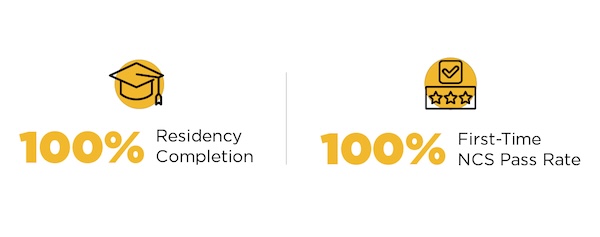
Residency Program Outcomes
- 2021-2022
- Completion Rate: 100%
- First Time NCS Pass Rate: 100%
- 2022-2023
- Completion Rate: 100%
- First Time NCS Pass Rate: 100%
- 2023-2024
- Completion Rate: 100%
- First Time NCS Pass Rate: 100%
- 2024-2025
- Completion Rate: 100%
- First Time NCS Pass Rate: Eligible for Testing in 2026